Co2 Laser Marking Machine About
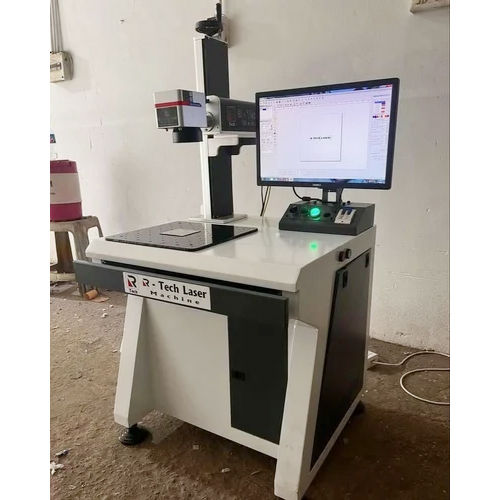
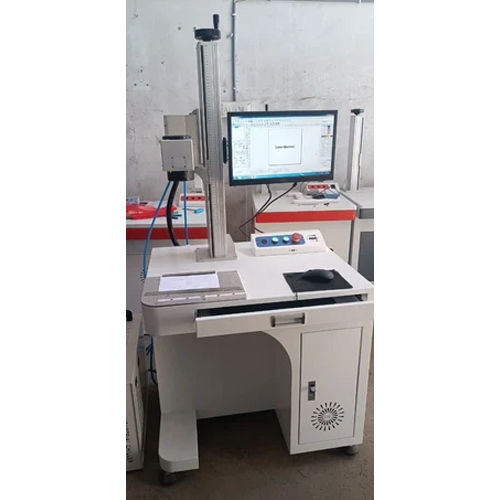
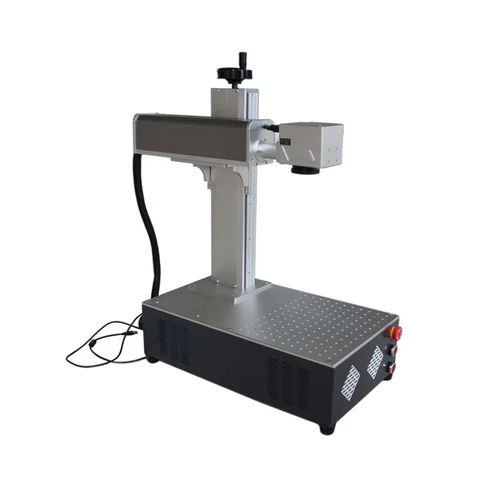
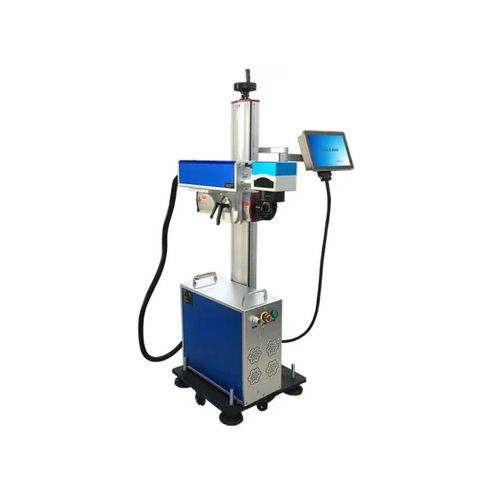
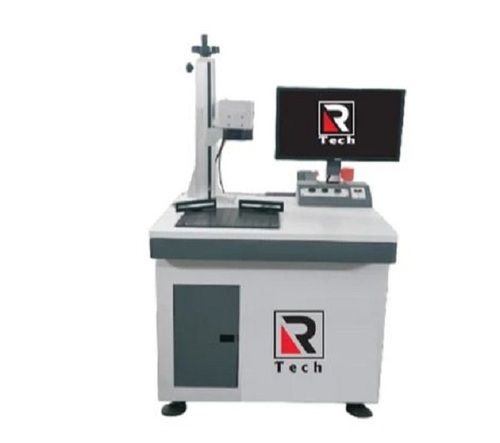
A CO2 Laser Marking Machine is a type of laser marking system that uses a CO2 laser source to mark various materials. Here are some key points to consider:
Advantages:
1. High-quality markings: Produces high-contrast, permanent marks.
2. Versatility: Can mark a wide range of materials, including:
- Wood
- Plastics
- Acrylic
- Leather
- Paper
- Fabric
- Stone
3. Precision: Accurate markings with high resolution.
4. Speed: Fast marking speeds, improving productivity.
5. Low maintenance: CO2 lasers have a long lifespan and require minimal maintenance.
Applications:
1. Woodworking: Marking logos, designs, and text on wood products.
2. Sign making: Creating signs, labels, and displays.
3. Packaging: Marking codes, logos, and text on packaging materials.
4. Textile marking: Marking fabrics, leather, and other textiles.
5. Awards and recognition: Marking trophies, medals, and other recognition items.
Key Features:
1. CO2 laser source: Emits high-powered laser beam.
2. Galvo scanning head: Directs laser beam to mark materials.
3. Control system: Manages laser settings, marking speed, and design files.
4. Software: Allows for design creation, editing, and marking parameter control.
Unmatched Precision for Industrial ApplicationsOur CO2 Laser Marking Machine delivers superior results for industrial marking needs. It provides crisp, permanent marks on wood, plastics, glass, leather, and more, supporting businesses that require consistent product identification and branding. Backed by robust build quality, it offers reliable operation in high-demand environments.
Trusted Distribution Network Across IndiaAs a leading manufacturer, supplier, trader, exporter, and distributor based in India, we ensure our CO2 Laser Marking Machines are readily available to industries nationwide. With efficient logistics and customer-centric support, clients enjoy quick delivery and professional guidance throughout their purchasing journey.
FAQ's of Co2 Laser Marking Machine:
Q: How does a CO2 Laser Marking Machine work for industrial applications?
A: A CO2 Laser Marking Machine uses a high-powered CO2 laser beam to vaporize, engrave, or mark the surface of non-metallic materials. This process ensures permanent, clear, and accurate markings ideal for product identification, traceability, and branding in industrial environments.
Q: What materials can be marked using this CO2 Laser Marking Machine?
A: This machine is best suited for marking non-metallic materials such as wood, glass, acrylic, leather, paper, and certain plastics. It is not recommended for metals, as the CO2 laser type is optimized for non-metal substrates.
Q: When should I consider using a CO2 Laser Marking Machine in my production line?
A: You should use this machine when your industrial processes require efficient, permanent, and high-precision marking of non-metal products. It is particularly valuable for mass production settings where speed and durability of marks are crucial.
Q: Where is your CO2 Laser Marking Machine distributed and supported?
A: Our CO2 Laser Marking Machine is distributed and supported throughout India. With our extensive network as a manufacturer, supplier, exporter, distributor, and trader, we ensure comprehensive coverage and after-sales support nationwide.
Q: What is the process for installing and operating the CO2 Laser Marking Machine?
A: Upon purchase, our technical team provides installation and operational guidance. The process involves setting up the machine, connecting it to your computer system, and configuring marking parameters based on material and design requirements to achieve optimal results.
Q: How is warranty coverage managed for this machine?
A: We provide a comprehensive warranty with every new CO2 Laser Marking Machine. Warranty support includes prompt repair or replacement services and access to technical assistance as needed, ensuring your investment is well-protected.
Q: What are the key benefits of using your CO2 Laser Marking Machine?
A: Key benefits include high-speed operation, low maintenance, consistent marking quality, and the versatility to handle a wide range of non-metallic materials. These advantages lead to reduced downtime, improved product traceability, and enhanced overall productivity in industrial settings.

 Send Inquiry



 Send Inquiry
 Send Inquiry
 Send SMS


 English
 Spanish
 French
 German
 Italian
 Chinese (Simplified)
 Japanese
 Korean
 Arabic
 Portuguese